
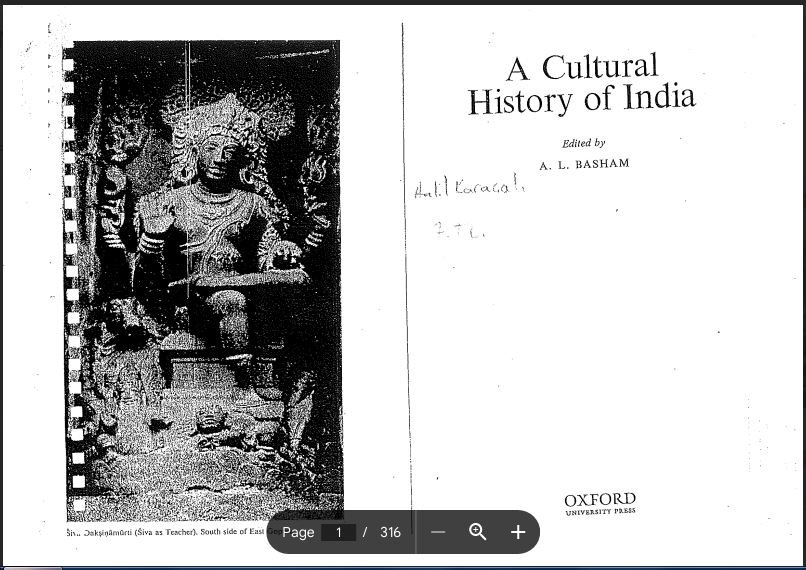
India’s cultural history is one of the most diverse, layered, and continuous civilizations in the world. For UPSC aspirants, understanding Indian culture is crucial not only for Prelims but also for Mains (GS Paper I) and Essay. This comprehensive guide covers the evolution of Indian culture from ancient times to the modern era in a structured and exam-oriented manner.
What is Indian Culture?
Indian culture refers to the shared patterns of beliefs, traditions, art forms, architecture, literature, philosophy, religion, and social practices that evolved over thousands of years.
Key characteristics:
- Unity in Diversity
- Spiritual Orientation
- Tolerance and Inclusiveness
- Continuity and Adaptability
Ancient Indian Culture
A. Indus Valley Civilization (2500–1900 BCE)
- Urban planning with advanced drainage systems
- Great Bath at Mohenjo-daro
- Seals and undeciphered script
- Trade with Mesopotamia
UPSC Tip: Focus on town planning, religious practices, and art forms.
B. Vedic Culture (1500–600 BCE)
- Composition of Vedas (Rigveda, Samaveda, Yajurveda, Atharvaveda)
- Varna system evolution
- Early political institutions like Sabha and Samiti
- Development of philosophical thought
C. Mauryan and Gupta Period – Golden Age of Art
- Spread of Buddhism under Ashoka
- Rock-cut architecture
- Classical Sanskrit literature
- Development of temple architecture
Important Personalities: Ashoka, Kalidasa, Aryabhata
- Emphasis on devotion and equality
- Saints like Kabir, Guru Nanak
- Promotion of communal harmony
- Development of regional languages
UPSC Angle: Social reform and religious synthesis.
B. Indo-Islamic Architecture
- Use of domes and arches
- Persian and Indian fusion
- Mughal miniature paintings
Modern Indian Cultural Developments
- Impact of British education
- Bengal Renaissance
- Social reform movements
- Rise of nationalist art and literature
Personalities like Raja Ram Mohan Roy, Rabindranath Tagore, Swami Vivekananda played transformative roles.
Indian Art Forms (Important for Prelims)
Classical Dances
- Bharatanatyam
- Kathak
- Odissi
- Kuchipudi
- Kathakali
- Manipuri
- Mohiniyattam
- Sattriya
Classical Music
- Hindustani
- Carnatic
UNESCO Heritage Sites (Culture Related)
- Ajanta & Ellora Caves
- Khajuraho Temples
- Hampi
- Konark Sun Temple
Cultural Institutions for UPSC
- Sangeet Natak Akademi
- Lalit Kala Akademi
- Sahitya Akademi
- Archaeological Survey of India (ASI)
How to Prepare Cultural History for UPSC
✔ Read NCERT Fine Arts (Class XI)
✔ Refer to Nitin Singhania’s Art & Culture
✔ Make short notes for quick revision
✔ Practice previous year questions
✔ Link culture with current affairs
Conclusion
India’s cultural history reflects resilience, diversity, and continuity. For UPSC aspirants, mastering this section can significantly boost scores in Prelims, Mains, and Essay papers. Understanding cultural evolution not only helps in exams but also deepens appreciation of India’s civilizational heritage.
We hope that this ebook will serve as a valuable resource in your UPSC preparation and help you gain a comprehensive understanding of the cultural history of India. Good luck with your studies!