
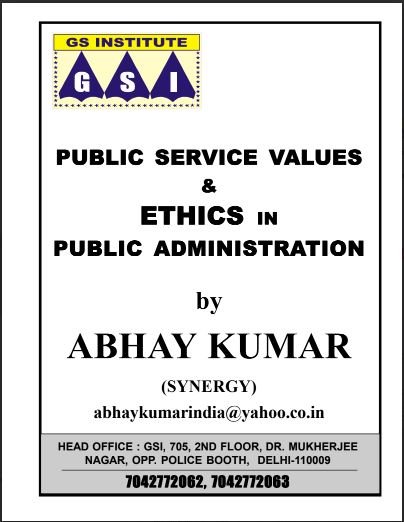
In today’s governance landscape, ethics in public administration is not just a theoretical concept—it is the foundation of public trust, transparency, and accountability. Public administrators hold positions of authority that directly impact citizens’ lives. Their decisions must reflect integrity, fairness, and responsibility.
This guide explores the meaning of ethics in public administration, key principles, common ethical dilemmas, and a practical framework for ethical decision-making.
How to Download the eBook
Downloading our eBook, “Ethics in Public Administration: A Guide to Ethical Decision Making,” is quick and easy. Simply click on the link below to access the PDF file:
What is Ethics in Public Administration?
Ethics in public administration refers to the moral principles and standards that guide the behavior and decision-making of public officials and civil servants. It ensures that public power is used for the public good, not personal gain.
Ethical governance promotes:
- Transparency
- Accountability
- Rule of law
- Equity and fairness
- Public trust
Without ethical standards, corruption, favoritism, and misuse of power can weaken democratic institutions.
Why Ethics Matters in Public Service
Public administrators are entrusted with public resources and authority. Ethical behavior is essential because:
1. Builds Public Trust
Citizens expect honesty and fairness from government officials. Ethical conduct strengthens confidence in public institutions.
2. Prevents Corruption
Strong ethical standards reduce bribery, nepotism, and abuse of authority.
3. Ensures Fair Decision-Making
Ethical guidelines help administrators avoid bias and discrimination.
4. Enhances Institutional Reputation
Ethical institutions are respected both nationally and internationally.
Core Principles of Ethics in Public Administration
Here are the fundamental principles that guide ethical governance:
1. Integrity
Officials must act honestly and consistently uphold moral values.
2. Accountability
Public servants must be answerable for their decisions and actions.
3. Transparency
Decisions should be open and accessible to public scrutiny.
4. Impartiality
Administrators must treat all citizens equally without favoritism.
5. Commitment to Public Interest
The public good must always take priority over personal interests.
Common Ethical Dilemmas in Public Administration
Public administrators often face complex ethical challenges, such as:
- Conflict of interest
- Political pressure
- Confidentiality vs. transparency
- Allocation of limited resources
- Whistleblowing situations
Ethical dilemmas arise when values conflict, and there is no simple right or wrong answer.
A Practical Framework for Ethical Decision Making
To navigate ethical dilemmas effectively, public administrators can follow this structured approach:
Step 1: Identify the Ethical Issue
Clearly define the problem and determine whether ethical values are involved.
Step 2: Gather Relevant Information
Collect facts, laws, regulations, and stakeholder perspectives.
Step 3: Evaluate Alternatives
Consider possible courses of action and their consequences.
Step 4: Apply Ethical Principles
Test decisions against values such as integrity, fairness, and public interest.
Step 5: Make and Justify the Decision
Choose the best ethical option and document the reasoning.
Step 6: Reflect on the Outcome
Review the decision’s impact and learn for future cases.
Role of Codes of Ethics
Many governments and institutions adopt formal codes of conduct to guide ethical behavior. These codes provide:
- Clear standards of behavior
- Disciplinary mechanisms
- Guidance for conflict resolution
- Protection for whistleblowers
Codes of ethics create a structured system to promote accountability.
Promoting Ethical Culture in Public Administration
Ethics should not rely solely on rules; it must become part of organizational culture. Key strategies include:
- Ethics training and workshops
- Strong leadership commitment
- Transparent procedures
- Protection for reporting misconduct
- Regular audits and oversight
Leadership plays a crucial role in modeling ethical behavior.
Challenges to Ethical Governance
Despite established frameworks, public administration faces challenges such as:
- Political interference
- Weak enforcement mechanisms
- Cultural tolerance of corruption
- Lack of transparency systems
Addressing these challenges requires continuous reform and citizen engagement.
Conclusion
Ethics in public administration is the backbone of effective governance. Ethical decision-making ensures that public power serves the public good. By upholding integrity, accountability, and transparency, public administrators strengthen democratic institutions and build lasting public trust.
Ethical governance is not optional—it is essential for sustainable development and social justice.