
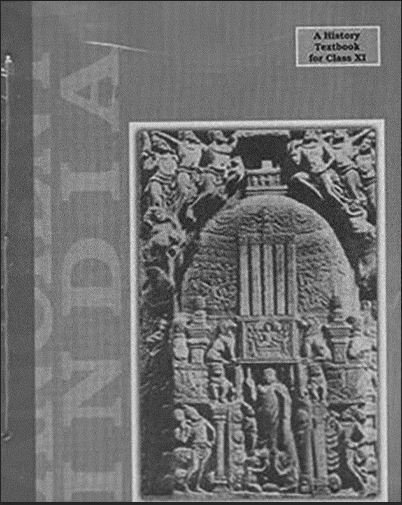
Ancient India: A Comprehensive Guide
Ancient India forms the backbone of the UPSC Civil Services Examination syllabus, especially in GS Paper I (History) and Prelims. From the Indus Valley Civilization to the Gupta Empire, understanding ancient Indian history is crucial not only for factual recall but also for analytical questions in Mains.
This comprehensive guide covers all major themes, dynasties, art & culture, and exam-oriented strategies to help you master Ancient India for UPSC.
📜 1. Prehistoric Period of India
4
The prehistoric period is divided into:
- Paleolithic Age – Hunting and gathering, stone tools
- Mesolithic Age – Microlithic tools, semi-permanent settlements
- Neolithic Age – Agriculture, domestication, pottery
- Chalcolithic Age – Copper tools, rural settlements
Key Site: Bhimbetka Rock Shelters – Famous for prehistoric cave paintings (UNESCO World Heritage Site).
📌 UPSC Tip: Focus on characteristics, tools, and major archaeological sites.
🏺 2. Indus Valley Civilization (Harappan Civilization)
4
Time Period: 2500–1750 BCE
Major Sites:
- Harappa
- Mohenjo-daro
- Dholavira
- Lothal
Key Features:
- Urban planning & drainage system
- The Great Bath
- Standardized weights & measures
- Seals and undeciphered script
📌 UPSC Focus Areas: Town planning, economy, trade links with Mesopotamia, decline theories.
📖 3. Vedic Period (1500–600 BCE)
Divided into:
- Early Vedic Period
- Later Vedic Period
Important Texts:
- Rigveda
- Samaveda
- Yajurveda
- Atharvaveda
Key Concepts:
- Sabha and Samiti
- Varna system
- Rise of Mahajanapadas
📌 UPSC Tip: Compare Early vs Later Vedic society.
🛕 4. Religious Movements: Jainism & Buddhism
- Founder of Jainism: Mahavira
- Founder of Buddhism: Gautama Buddha
Important Concepts:
- Four Noble Truths
- Eightfold Path
- Triratna (Jainism)
Key Site: Sanchi Stupa
📌 UPSC Focus: Differences between Jainism and Buddhism, Councils, Spread in India and abroad.
👑 5. Mauryan Empire (321–185 BCE)
4
Key Rulers:
- Chandragupta Maurya
- Bindusara
- Ashoka
Important Text:
- Arthashastra
Highlights:
- Centralized administration
- Rock and pillar edicts
- Spread of Buddhism
📌 UPSC Strategy: Analyze Ashoka’s Dhamma and administration.
🌟 6. Gupta Empire (Golden Age of India)
4
Time Period: 4th–6th Century CE
Key Rulers:
- Chandragupta I
- Samudragupta
- Chandragupta II
Achievements:
- Classical Sanskrit literature
- Advances in science & mathematics
- Temple architecture
📌 UPSC Tip: Focus on administration, economy, and cultural developments.
Ancient India A Comprehensive Guide Free Download Here
Click Here To Download Button
🎯 How to Prepare Ancient India for UPSC
✅ Read NCERT Class 6–12 (Old & New)
✅ Refer to standard book: Ancient India
✅ Practice previous year questions (PYQs)
✅ Make timeline charts & short notes
✅ Revise art & culture multiple times
📌 Important Topics for Prelims
- Archaeological sites
- Vedic literature
- Buddhist & Jain Councils
- Mauryan administration
- Gupta coins & inscriptions
📝 Conclusion
Ancient India is not just about memorizing dates; it is about understanding the evolution of Indian civilization, political systems, economy, religion, and culture. A conceptual and analytical approach will help you score high in both UPSC Prelims and Mains.
Start early, revise consistently, and integrate Ancient History with Art & Culture for maximum marks.