
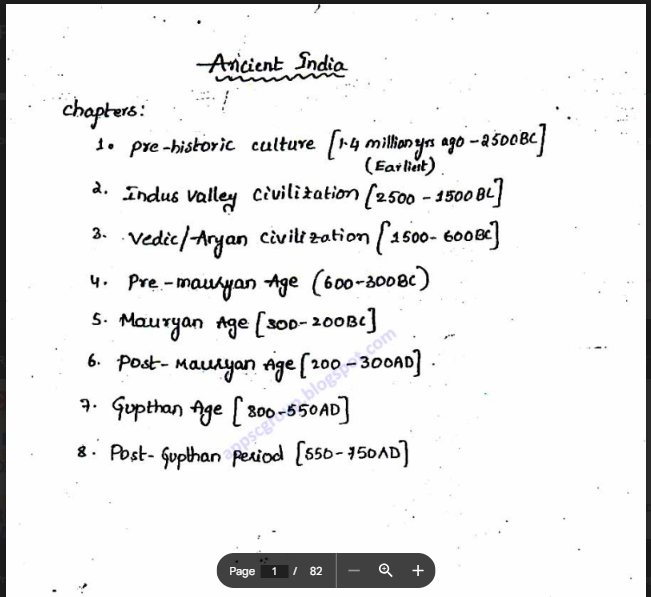
Ancient History Handwritten Notes for UPSC Preparation
If you are preparing for the UPSC exam, having access to quality study material is essential. One valuable resource that can greatly aid your preparation is ancient history handwritten notes. These notes provide a concise and comprehensive overview of ancient history, making it easier for you to grasp important concepts and facts.
The Importance of Ancient History Handwritten Notes for UPSC Preparation
Preparing for the UPSC Civil Services Examination (CSE) requires a smart strategy, especially for subjects like Ancient History. Many toppers emphasize one powerful tool in their preparation journey — handwritten notes. When it comes to Ancient History, well-structured handwritten notes can significantly improve retention, revision speed, and conceptual clarity.
Let’s understand why Ancient History handwritten notes are extremely important for UPSC preparation.
1. Better Concept Clarity and Retention
Ancient History includes topics like:
- Prehistoric Period
- Indus Valley Civilization
- Vedic Age
- Mauryan & Gupta Empire
- Buddhism and Jainism
- Sangam Age
While studying from sources like NCERT books and reference texts, writing notes in your own words helps in:
- Deep understanding
- Long-term memory retention
- Active learning
Writing engages your brain more effectively than passive reading, making it easier to recall information in the exam.
2. Helps in Answer Writing Practice (GS Paper 1)
Ancient History is an important part of General Studies Paper 1 in UPSC Civil Services Examination (Prelims + Mains).
Handwritten notes help you:
- Structure answers properly
- Add relevant facts, dates, and examples
- Practice 150/250-word answers
- Improve presentation skills
When your notes are concise and exam-oriented, they directly support answer writing improvement.
3. Easy and Quick Revision Before Exam
UPSC preparation involves multiple revisions. Ancient History has:
- Many dynasties
- Cultural developments
- Art & Architecture
- Religious movements
If you depend only on bulky books, revision becomes time-consuming. But short, crisp handwritten notes:
- Save time
- Highlight important points
- Make last-minute revision easier
Many toppers revise their self-made notes 4–5 times before the exam.
4. Personalized and Organized Content
When you prepare your own notes, you can:
- Use flowcharts
- Add timelines
- Create comparison tables (e.g., Vedic Age vs Later Vedic Age)
- Highlight keywords
For example:
Indus Valley Civilization
- Town planning
- Drainage system
- Trade
- Seals
- Script
This structured approach helps in both Prelims MCQs and Mains descriptive answers.
5. Integration of Current Affairs
Sometimes questions connect Ancient History with culture and heritage in news. With handwritten notes, you can:
- Add current affairs references
- Update information
- Link static + dynamic portions
This improves analytical ability in Mains answers.
6. Boosts Confidence and Reduces Exam Stress
During the last months of preparation, having your own notes gives:
- Mental clarity
- Confidence
- Structured revision plan
Instead of re-reading entire books, you focus only on your summarized material.
How to Make Effective Ancient History Handwritten Notes
Here is a simple method:
- Read from NCERT first
- Underline important points
- Write short notes topic-wise
- Use headings and subheadings
- Add maps and diagrams
- Keep notes concise (3–5 pages per chapter max)
Conclusion
Ancient History is scoring if prepared strategically. Handwritten notes act as:
- A revision tool
- An answer-writing framework
- A memory booster
For aspirants preparing for the UPSC Civil Services Examination, investing time in making quality Ancient History handwritten notes can make a significant difference in both Prelims and Mains performance.